

JOURNAL
Random Thoughts and Adventures

New Years Resolutions
If I want to make a change in my life, it seems like I should try to start right away. I also know significant changes are way harder; I start strong and burn out fast. Even though I don't like New Year's resolutions, I always seem to have some.
New Year's resolutions have never made much sense to me. If I want to make a change in my life, it seems like I should try to start right away. I also know significant changes are way harder; I start strong and burn out fast. Even though I don't like New Year's resolutions, I always seem to have some. After years of failing miserably, I started strategizing my resolutions. I have much more success with little changes, so I try to set more small goals. I also try to make them SMART goals.
So what is a SMART goal?
SMART is an acronym that stands for Specific, Measureable, Attainable, Realistic, and Timely. Setting a SMART goal allows you to plan for and achieve a goal. For example, saying I want to paddle more is not a SMART goal. It is not specific. Paddle more what? Miles, hours, days of the week? Who knows. It isn't measurable. I don't know the value of more, so I will never know if I am there yet. I might be able to paddle more, but if I don't know what I am trying to exceed, I can't get there, so again it is unattainable and unrealistic. Finally, it is not timely. There is no start or end of the goal. Maybe "paddle more" means each day, and I have to paddle a minute longer every day forever, and I get to where I need to paddle 24 hours a day and can't actually achieve my goals without defying spacetime.
Let's turn, "I want to paddle more" into a SMART goal.
First, let's make It specific. I keep track of my paddling days, so I know this year was low, sitting around 60 days. My record is 257. I was a full-time kayak only guide in Anacortes then New Zealand that year, and I had a broken leg, so I didn't do much biking, hiking, or really anything else. 257 is probably not realistic for 2021, but I would like to get over a hundred, which will leave time for biking and some other hobbies.
"I will paddle for over 100 days this year."
Now it is specific. Let's work on measurable. Last year I kayaked 30 days before May, then about the same the next eight months. This year I want to spread it out and make it more consistent. There are 52 weeks in a year, which means I need to boat twice a week on average. To make that even more specific and measurable, I'll pick two days for an updated goal like this:
"I will paddle on Tuesdays and Thursdays this year."
My goal is specific and measurable, but maybe not attainable. I might not be able to kayak every Tuesday and Thursday, but I can add some reasonable qualifiers to allow for work or other things that come up. Maybe something like:
"I will paddle on Tuesdays and Thursdays when I am home this year.
We are getting closer to SMART. It's probably not realistic to get only Tuesdays and Thursdays. Maybe the weather one week, Monday and Friday are best, but I can give my self a little flexibility to change things up or paddle extra if I want to. One hundred days is a lofty goal, but I think I can make it work.
"I will paddle on Tuesdays and Thursdays when I am home this year unless I already have plans to paddle on two or more days that week."
The goal is for this year, so it is timely, and we have officially reached SMART. Who wants to go paddling?
Many people have seen smart goals, but I think it is a handy tool, and achieving goals feels good. If you can't measure a goal, you never get to mark it complete. I imagine I am not the only one hoping for a better year come 2021. some things are out of our control, but there are a bunch of things we can control.
If you are looking for some smart goals that can reduce your carbon footprint this year, here are a few:
1) Change my search engine to Ecosia right now.
Ecosia is a search engine that uses there proceeds to plant trees around the world. They also do not sell your data. The algorithms come from Bing, so it is still a reliable search, and you do a little good. My searches have resulted in 169 trees planted since I changed over as of today.
2) I will eat vegetarian one meal per day this year.
Sustainable meat is available, but the simple fact is raising animals uses more energy than growing plants. You don't need to go entirely vegetarian or vegan to reduce your carbon footprint. If even one meal per day without meat seems like a stretch, try changing up the meat. Beef has the highest carbon footprint; poultry, on the other hand, is pretty low. Here is a comparison of different diets I found using Ecosia that is pretty good: http://shrinkthatfootprint.com/food-carbon-footprint-diet. I read somewhere that Earth could only feed 2 billion people if everyone ate the typical diet of someone in the United States, but Earth could support 10 billion vegetarians. We are currently sitting somewhere around 7.8 billion on Earth. I have been a vegetarian for about three years now, and I think it has been a great change for me.
3) Avoid one or two-day shipping unless it is an emergency.
Food is one of the big-tickets carbon footprints. Transportation is another. In the transportation game, the faster it moves, the more fuel it takes to get there. Let's be real, is it really going to make much of a difference if your new stainless steel pepper grinder arrives three days later?
Depending on where you live, electricity production is also a significant carbon dioxide producer. Reducing your energy consumption could be another great way to reduce your footprint. Here is another, more scholarly, break down of carbon footprints: http://css.umich.edu/factsheets/carbon-footprint-factsheet. If you choose to offset your carbon, that is great, but carbon offsets do not remove carbon from the atmosphere; they only prevent carbon from being released elsewhere. Reducing your carbon footprint is always more effective than carbon offsets. I hope these ideas are useful for anyone who read this far. We can certainly make many more changes to get greenhouse gasses under control, but these three are an easy place to start!
If you would like to calculate your carbon footprint and figure out where you can make reductions, here is a great tool. https://www.carbonfootprint.com/calculator.aspx It even has options to offset carbon emissions built-in, but again making reductions is better than offsetting the same amount.
Happy New Year!

The End of Summer
Summer has pretty much wrapped up at this point, I think that realization hit me right about the same time I took an ice-cold wave to the face kayaking this afternoon, but it also could have been the 35-degree gust that dried me off shortly after. The consequence of that realization set in on the drive home from the river, when I stopped thinking about the lines I wanted to run and the feel of the boat underneath me.
Summer has pretty much wrapped up at this point, I think that realization hit me right about the same time I took an ice-cold wave to the face kayaking this afternoon, but it also could have been the 35-degree gust that dried me off shortly after. The consequence of that realization set in on the drive home from the river, when I stopped thinking about the lines I wanted to run and the feel of the boat underneath me.
We made it through the summer of the COVID. I was fortunate; the only things I lost were my travel plans and some work. I know many dealt with much more challenging circumstances, but the end of this crazy summer is making me realize how much good came mixed into the overwhelming bad around the country and world over the last eight months.
I had to cancel an expedition I had been planning for over a year, but as a result, I spent the summer exploring the Pacific Northwest, one of the coolest places there is! I couldn't work in the Northwest Passage, which allowed me time to play with my niece. My plans to spend time in Costa Rica got axed, and I am sure I avoided some horrible sunburns.
My grand plans would have led to wild stories, and I am disappointed I have lost those opportunities. Alternatively, my lack of projects allowed me the flexibility to form special memories. Which I think are more important than cool stories in the long run. I think people feel a nagging sense that we have to be doing radical things all day, every day. Social media perpetuates that sensation, but I can tell you it is exhausting to be on the road exploring all of the time. After a long trip, I regularly crash for a whole week before feeling physically or mentally prepared to do much of anything. It is probably a better use of our energy to enjoy the simple moments.
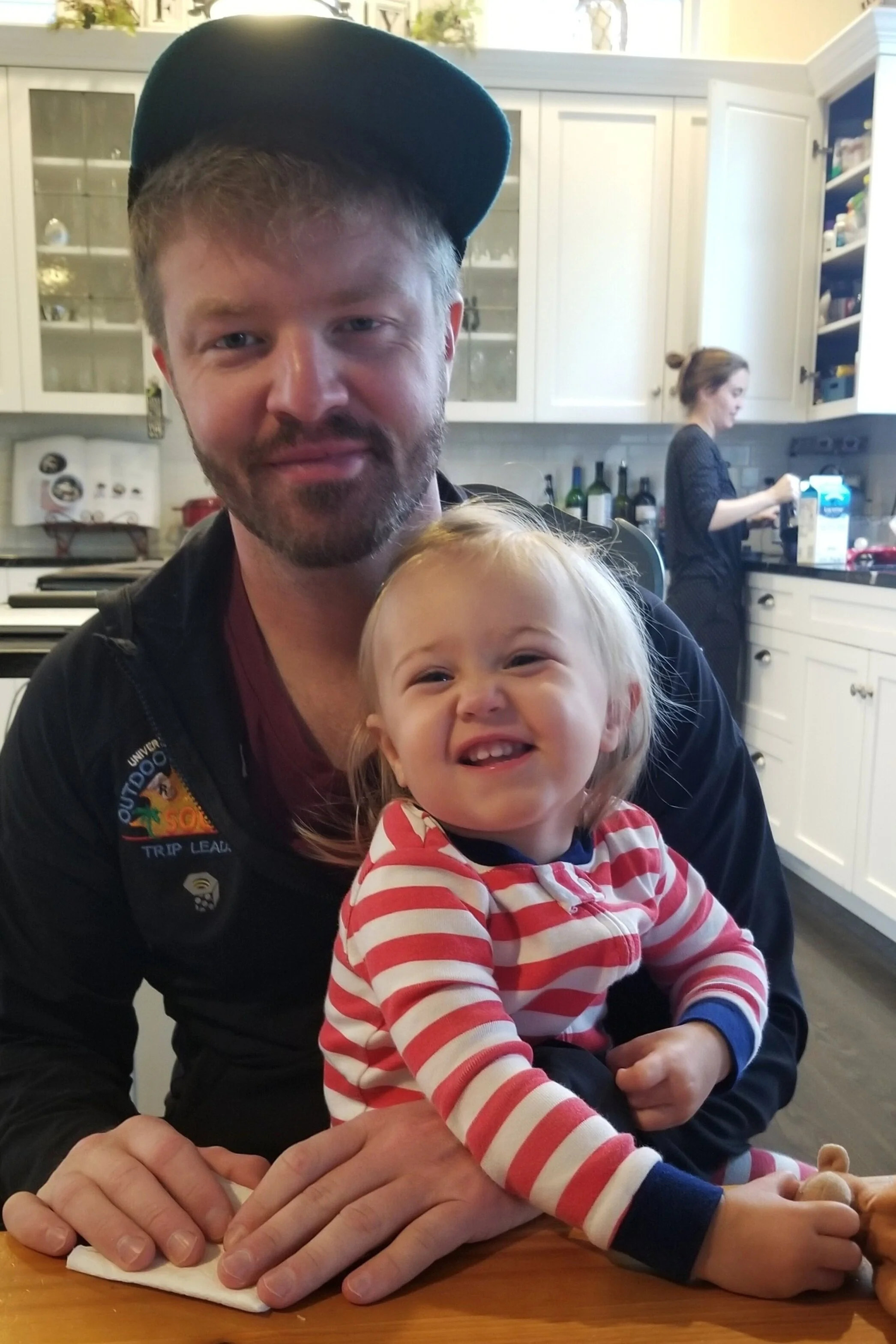
One and a half-year-old humans are just about as coordinated as a dizzy sloth. Although, for my niece, a single dirt-covered rock out of a drainage ditch is more thrilling than almost anything. I'm jealous. It's easy to fall victim to the HD screen with speakers and an unlimited amount of content that sits in my pocket most days. Still, when I think about it, I would rather sit on the sidewalk with the cold, slightly damp concrete soaking into my pants, the sound of the wind in the trees, and some dirt under my fingernails from digging for the smoothest stone.

I thought this before. For some reason, I feel like I am not allowed to just play outside for the sake of playing outside. I need to be kayaking, hiking, shooting photos, or biking. These activities are socially acceptable reasons to be outdoors. I don't know what age it stopped being ok to go outside for no reason. Maybe it was more of a cultural shift, but I suspect I am not the only one who wants some old fashion play. This summer gave me a chance to try that a bit.
The other day, I woke up earlier than I wanted and started spiraling down an outrageous series of news stories about elections, protests, pandemics, and the consequences of our fossil fuel consumption. Though each is very important, not even Atlas could carry the weight of everything happening right now. I decided to give in to the urge to move I get when I am stressed out, excited, or just a bit antsy. At this point, it was about 5:45 in the morning, so tied on my favorite Altra running shoes and went out the door. After the first mile or so of pounding out my frustration, I started to feel lighter. There were still no cars on the roads or people on the trails, and I slowly transitioned from running to a combination of skipping, spins, and slides while singing all the words to "Smooth Criminal" I could remember. I only stopped to watch some deer bipedally stagger around a fenced apple tree to reach the goods. It was way more fun than just running for exercise, but I am sure the few people that saw me thought I was straight-up nuts.
Early in the summer, I was concerned I would not be able to get out kayaking as much as I wanted to while trying to maintain any semblance of social distancing. Kayaking is much more of a team sport than most people imagine. When things are going well, everyone paddles their boat. If not, it's all hands on deck. Consequently, paddling in a group is much safer, and I rarely paddle any noteworthy whitewater by myself.

Unwilling to go full lunatic and play outside without an activity to normalize it, I bought a mountain bike. Biking is not particularly new for me, and I feel safer riding alone than paddling alone. I like how biking challenges me physically and gives me a new set of biomechanics to nerd out about, but my favorite thing is the contrast going up and down. Climbing, I slowly progress with my lungs burning. I feel like time is standing still, and I can think clearly about anything. Mountain bike trails are often built off of logging roads in the northwest, so I regularly think about land management. I am conflicted when I think about lumber. I know it is a vital resource for sheltering people and maintaining our infrastructure. Still, If you have ever walked through the type of old-growth forests that once covered this part of the country, you can only feel sad comparing it to the mess of rotting stumps left behind after the trees reach their economic maturity. That feeling is probably part of what pushed me to live in a tiny home.

Downhill is the exact opposite. Everything is so accelerated; I don't feel the burning in my legs or have time to think. On the good days, it just feels like my body is moving all on its own. This flow state is the most relaxing thing in the world. I don't know the real reason, but I like to think I have shut down my cerebrum, and I am instinctively moving through the forest like a wolf. Sometimes I even howl.
This summer, I lost the chance to learn about myself and explore new parts of the world; however, I am starting to think I learned the same lessons I would have while exploring new trails in my home state.
In a world views class I took during my Master's degree, I learned, among other things, life changes can be the catalyst for new lines of thinking. I had hoped a 90-day expedition would be that catalyst, but as it turned out, COVID-19 came to be one of the most significant changes in my life over the past decade. It has certainly changed how I think and what I value.
On a more global scale, I hope this summer of hardship allows our country and world to reevaluate our culture, policies, and priorities moving forward. As an instructor, I find natural consequences are a far better teacher than me. I can tell a student to put on a rain jacket, but three days of wet clothes will make sure they stay dry in the next storm. Likewise, I think the coronavirus might be a kick in the butt we all needed to see just how flawed our healthcare system is and just how broken our politics are. To see just how much fresh air can benefit our physical and mental health and how human actions can negatively affect the global system. I hope we are all able to find some good that came out of this summer. We have undoubtedly all sacrificed this summer. However, we are left with an opportunity to pivot in a direction for a better future.
Let's start by getting that creepy pumpkin out of office. Then we can reach out to the thousands of people unemployed to develop new sustainable jobs that value social and environmental justice over power and greed. Then, maybe we can all go play outside.

Earth Day 2020
Today is Earth day! It is not one of the more popular holidays. We do not get the day off or the send specialty gift cards, but It has become a meaningful day for me. I use it as a chance to reflect back on some of the striking moments I spent outside in the last year and my relationship with nature.
Today is Earth day! It is not one of the more popular holidays. We do not get the day off or send specialty gift cards, but It has become a meaningful day for me. I use it as a chance to reflect back on some of the striking moments I spent outside in the last year and my relationship with nature. This year I am in Sammamish, it is raining, and there is a global pandemic. My plans, like everyone’s, have changed as a result. I have already canceled my plans for trips, courses, a wedding, work, and, most recently, my three-month expedition in Iceland. I am disappointed. However, looking back on the previous year, some of my favorite moments did not take 2 years to plan, or even 2 minutes.
For this reason, I am optimistic about the coming year. I don’t know when I will be able to work again or what I will be doing. Still, I also know at this point, everything is so unpredictable, planning anything is senseless. I can take this time to live in the moment and take advantage of the new free time. Unfortunately, so far, the most productive thing I have done is rebuilding a burned-out Xbox 360 and beating Assassin’s Creed 4, leaving me with dreams of piracy and parkour. I am working on avoiding instant gratification and focus on more of my long term goals.
My first goal is to spend more time on my writing and photography, so here we go…
Some significant events happened in the last 12 months, primarily being my completion of a Master’s degree, where I looked into the effects of Antarctic tourism on the visitors. To write my 83-page thesis about human connection to Antarctica, I had to think about my own connection almost nonstop. I am thrilled by the research showing time outside helps with tons of health concerns while also instilling a motivation to protect the environment. I am also frustrated to tears that so many people exploit nature, and the places I love pursuing a materialistic definition of success at the expense of the generations to come. What’s worse, the United States, specifically the politicians lobbying for extractive industries to have lower environmental standards, are holding back the rest of the world from making a better future. I am proud to come from a country that was founded on innovation. First, with the belief, we could govern ourselves, then technologically. I wish we could collectively go back to the mindset of pushing forward and innovating to meet future challenges.
The weight of global climate issues can only be held by working together. Still, we are all divided because we are too busy telling each other how to live to see it doesn’t matter. I like to hope people are trying to make their world a better place. I also recognize some people are willing to step on anyone they need to to get what they want. This is evident in the current pandemic. Thousands of people are working hard despite their low wages and chances of becoming ill to help those around them. At the same time, some try to capitalize on medical needs by price-gouging essential goods. Like the health care workers fighting COVID-19, we need to trust climate scientists have our best interests at heart and embrace the changes they are advocating. Or accept the rest of the world is going to move on, and the U.S. will just be the next Empire to crumble.
The sense of doom that often accompanies environmental science is not my favorite. So now that that is out of the way, some more exciting things.
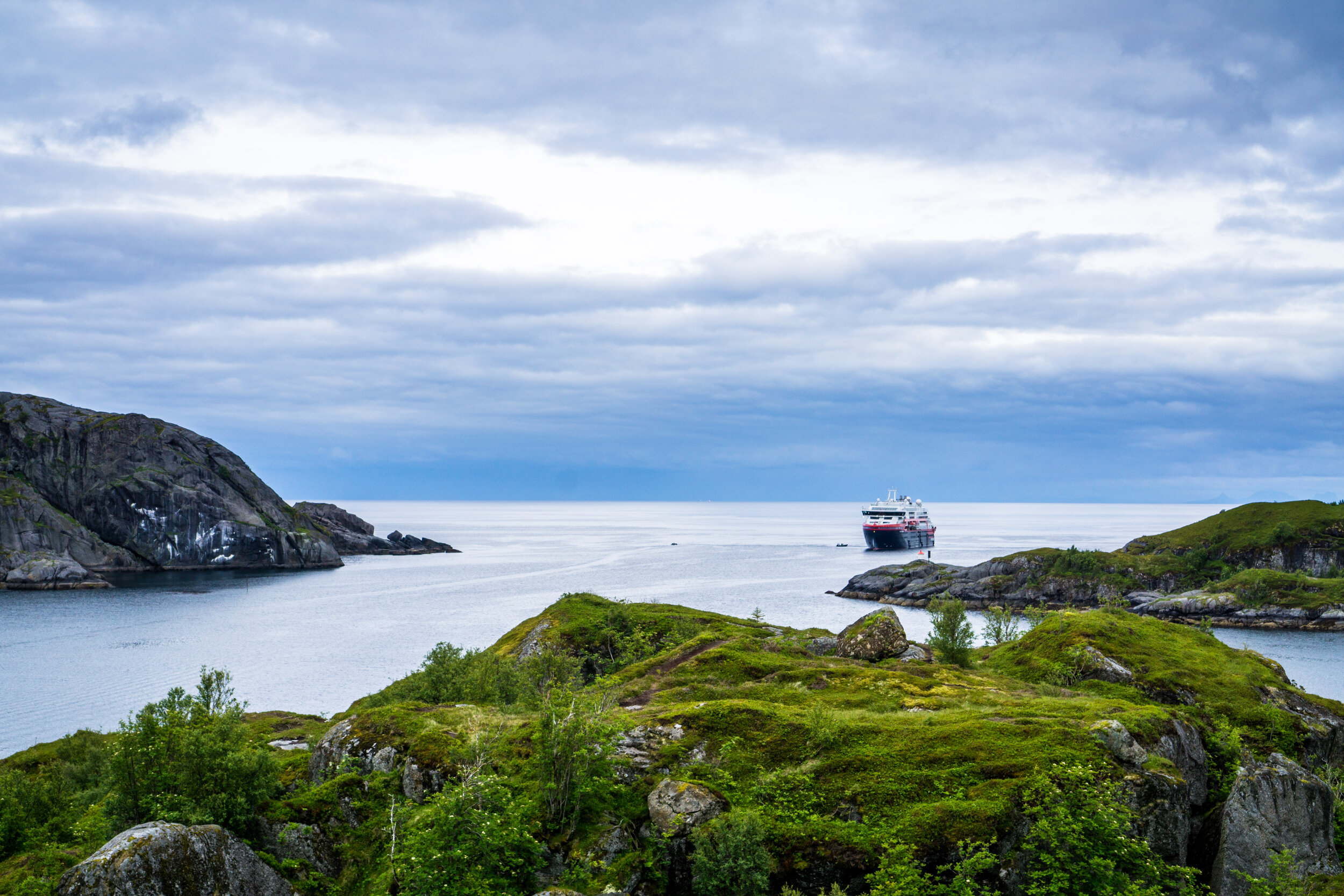
Over the years, being outside started to feel like work, so this year I worked hard to go on personal trips and spend time doing things outside that I love. I made an effort to get out in my sea kayaks and my whitewater kayaks. I coached at some super fun events. I lead elementary and middle school kids on the water and took a handful of people camping for the first time ever. I showed people why I love Antarctica. I made new friends, and I strengthened old friendships. Over the summer, I helped launch the first-ever hybrid expedition cruise ship, with Hurtigruten, which will hopefully lead the way into a more sustainable future for tourism. I wrestled blackberry bushes. I paddled the hardest whitewater I have ever been in. I planned an expedition rad enough to be sponsored, and so well, it took a global pandemic to stop me. Most importantly, I rekindled my passion for, and relationship with nature.
Being outside continually teaches me to be a better, stronger, and more caring person. I have learned from the hardship of the weather to endure when I need to and find shelter when I can’t. I learned to slow down and enjoy the moment when it is nice. I have learned to help the people I can because it is more fun when everyone is safe and cheerful. And I was reminded once again, Earth is a beautiful place to live when we don’t fuck it up.
So, this Earth Day, I hope you take the time to think about this fantastic blue planet we live on, all the things it has taught you, and how you plan to get out this year and connect with the only home we have.

Timewarp
Coming home from an expedition or really any extended trip is always bittersweet, but the hardest things for me are all of the changes while I am gone. This is a feeling I am calling a time warp.
So far, my most extended expedition with no contact at all was 90 days, and the longest I have been away was with limited contact was about five months. Big deal Will you travel for a long time. Yes, I do, and I usually love it. However, it can be hard.

James on our yearly trip
Don’t get me wrong, I love expeditions, and shutting off my phone for a few months. This kind of change trip can be the catalyst for amazing discoveries. I believe it makes me more creative and deeper thinking. It forces me to get to know myself and accept who I am. On expeditions, I can also shed almost anything that is stressing me out. Most importantly, I have made some of my closest friends in the backcountry.
Every lifestyle has a downside. The biggest downside for me hits as with a weird after effect I think of like a time warp. When I leave on an expedition, time seems to pause for me, or at least time at home.
Everyone has their own lives and tons of things going on, but it feels like all of the things l leave should stop. I feel like my relationships should be in the same place, people should have the same haircuts, trees should be the same, and everything should be exactly how I left it.
No surprise, nothing ever is.
I have come home to all kinds of changes in circumstance, but each homecoming has one thing in common; a physical discomfort as everything recalibrates. Maybe reverse culture shock is the best way to describe it, but it is more than that. It feels in some ways like I just warped into the future, and upon arriving in the future, all of the things I miss are pressed through my body and mind rapidly. Catching up and recovering from the time warp takes me a couple of days.
To make things worse, explaining the expedition is impossible without experiencing it, but everyone wants to hear about it in condensed into a few sentences. I want to share my experiences and the lessons I have learned, but I want to do it in a way that ignite the same feelings I experienced in the moment.

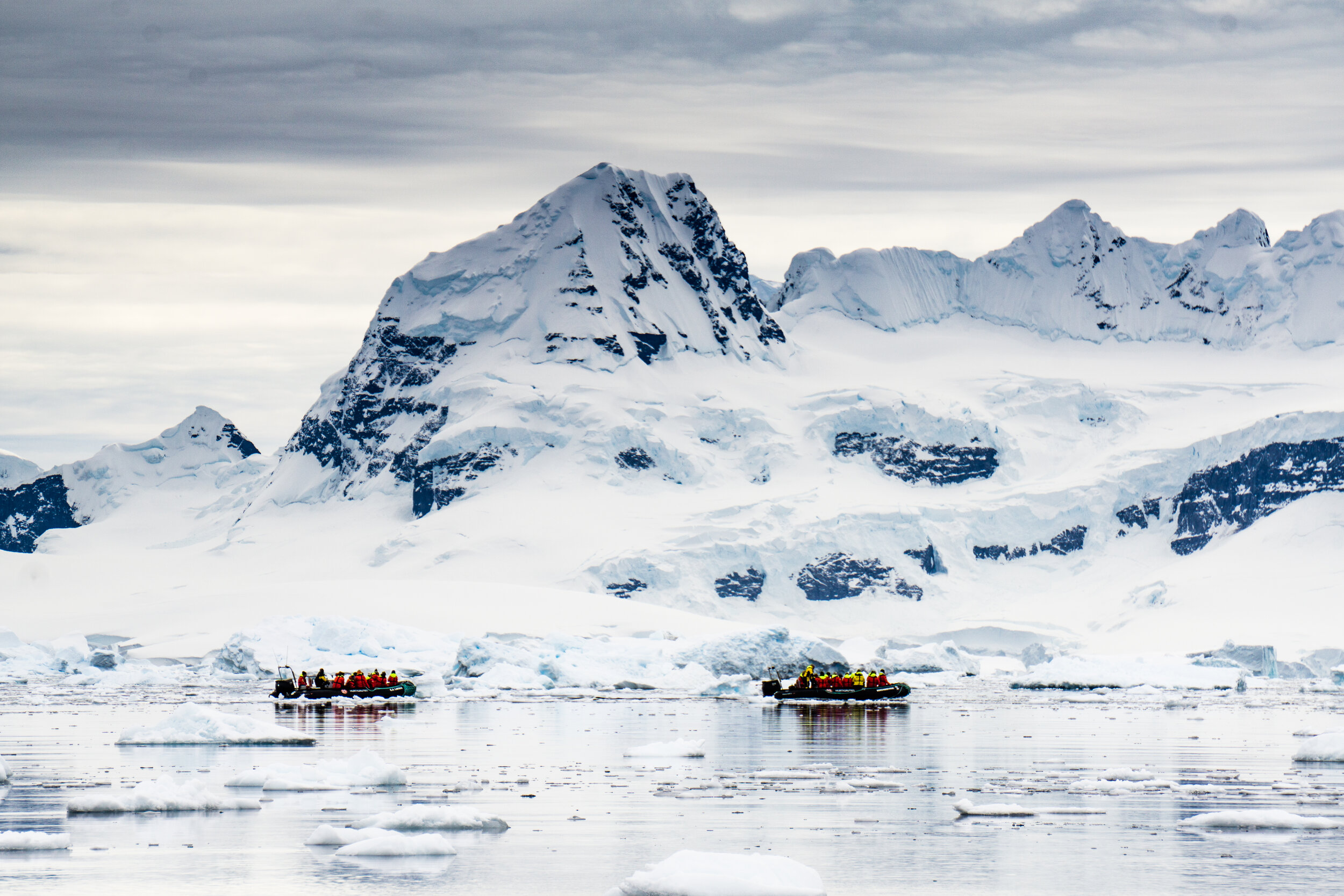
Antarctic Peninsula cruising
As I write, I am considering deleting this entry forever. Partially because I don’t often talk about my feelings, but mostly because it feels like a complaint that I have no solution for, other than just dealing with it.

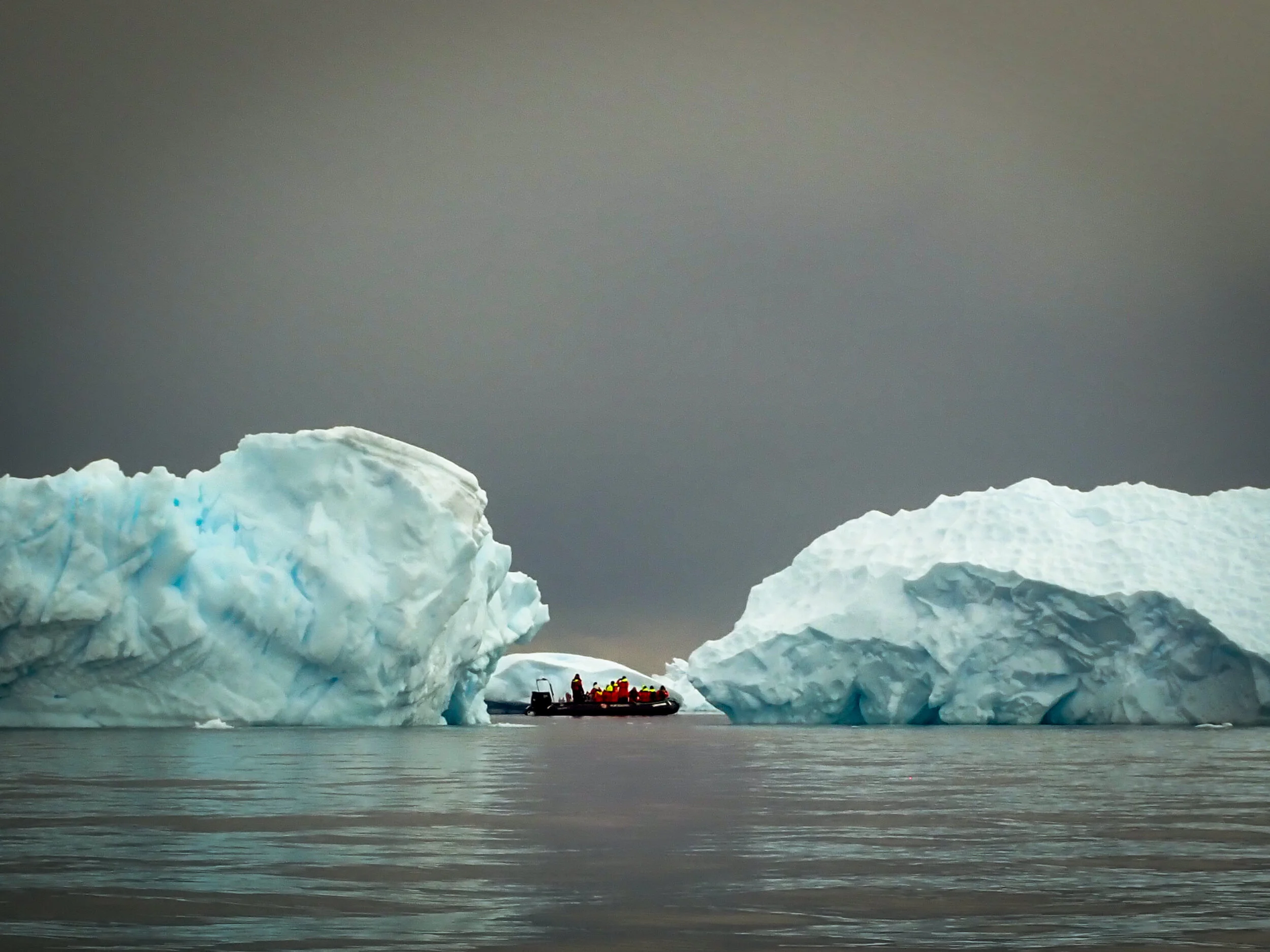
Neko Harbour kayaking
Of course, things will always go on, and of course people want to hear about amazing experiences. But I feel a weird sense of insignificance and alienation when time forces its way through me and only I know what happened in my time line. I doubt I am the only one who feels these time warps, but I don’t always know if people decipher the change I am going through.
Here I am at the end of the article, on my way home soon from two months on a ship in Antarctica. I didn’t delete the file yet, and I even posted it to the internet. Communicating with people about challenges we are working through helps us all grow and overcome the challenges, so even if I am not always the best at communication, I am trying a bit harder these days.
In this case, the main point is, when I get home I am going to need some time to process. Or if someone close to you just got back from whatever it might be, he or she might be struggling to catch up with reality and how the experiences fit into his or her new timeline.
Be patient.

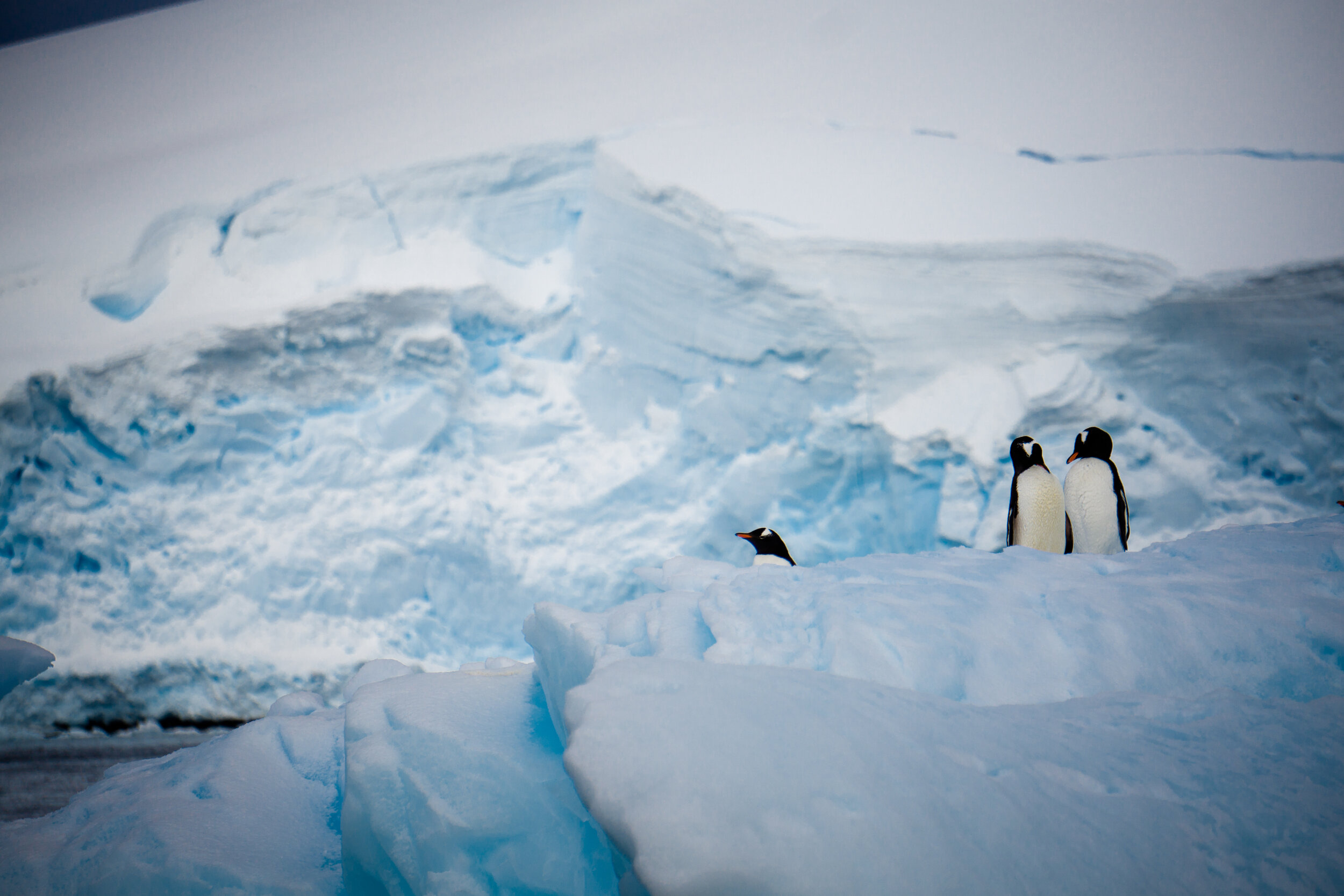
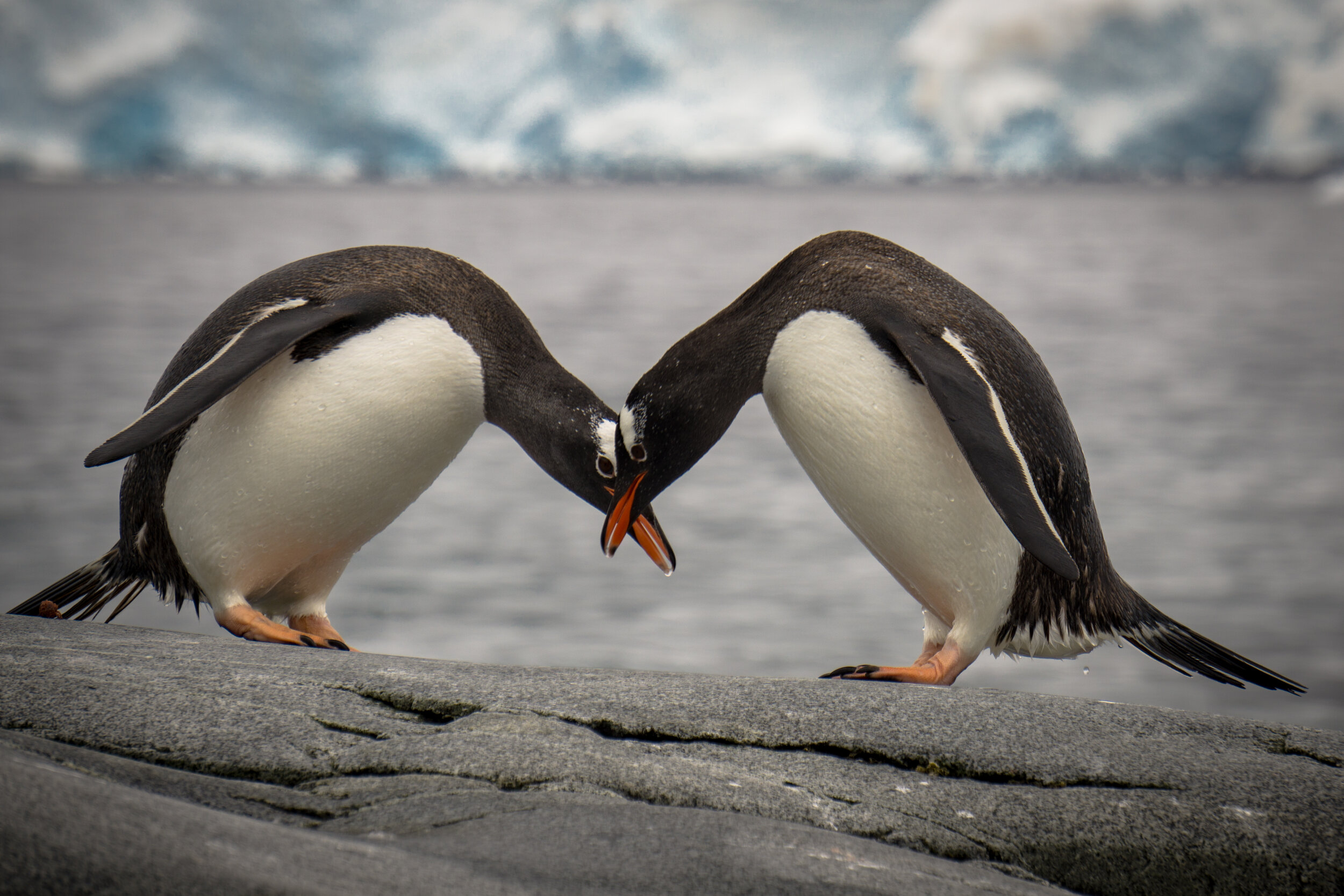
Penguins Greet after a long day at sea

Expedition Outcomes
Expedition Planning- Drifting on Edge: This Journal article dives into the lessons I have learned from expedition planning, and how my values play help to define a successful backcountry trip in a kayak or hiking.

Planning an expedition is a ton of work. Sometimes it just feels like work too. For me, there is always about an hour of giddy daydreaming and excitement before I can actually get anything done. Right now, I am working on sorting out equipment, travel arrangements, and other prep work. During these phases of the planning, I make tons of decisions. Choices like the equipment are necessary and what to bring to make the expedition possible, but the more obscure choices, in my opinion, are what make a trip successful.
I think of the obscure decisions as what makes this successful? Or, what are the benefits of this expedition?
These questions focus more on personal values and goals than anything else. I put a value on things like character, experiences, and intentionality. These values seemed to be much more valued when Abraham Lincoln was in office. There certainly were different views on ideal character, but the quiet thinker was respected. Nowadays, charisma and charm seem to bulldoze to the front of the stage. Maybe I’m just an old soul.
I do think it is in part a result of the times. I can make a trillion decisions without leaving my bedroom. Sleep more or start doing stuff? Listen to the new or watch Netflix? Shop online or play games? Read or finally get out of bed? We all have so many decisions to make, there is no time to think about why one option might be better than another.
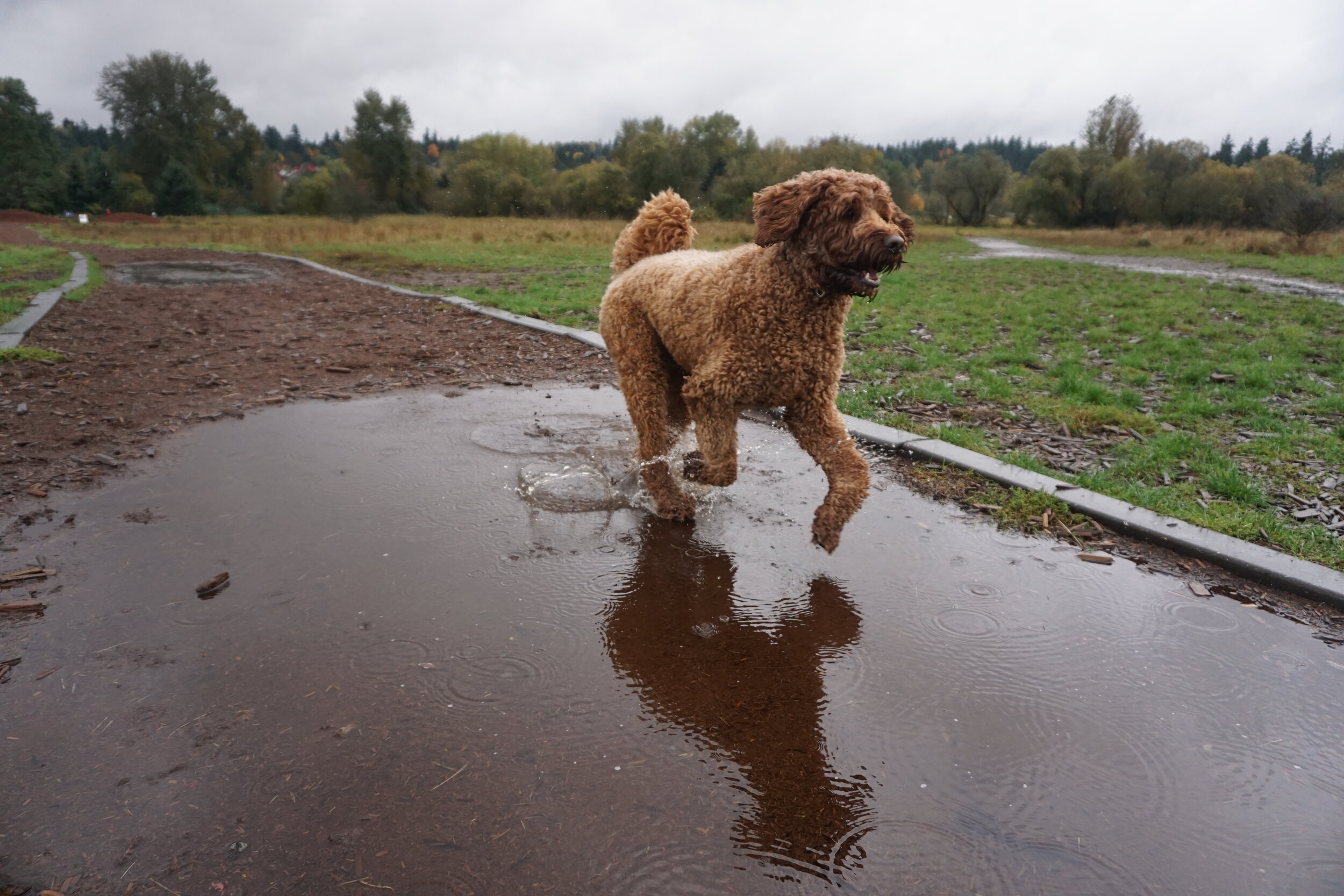
I know getting out of bed and immediately doing something active, my whole day is better, even if it is just walking the dog. That didn’t stop me from spending over an hour in bed on my tablet listening to podcasts, sending emails, and watching Marvel fan theories on YouTube. This is turning into a bit too much of a tangent so back to the expedition planning… for a little.

Logistics need to be set up. I clearly cannot kayak around anything if I do not have a boat to paddle. The rest of the work is more about training my mind to make the right choice quickly. Kayak coaching and experience help for the skill-related decisions, but in this context, “right” means the option which fits my goals and morals while keeping me happy. I use happiness as a gauge for almost everything. If I am getting smashed on rocks by huge waves, chances are I am not happy. If I paddle an extra 25 miles because I was having a blast, awesome! Even if I skip a paddling day because I find a seemingly unlimited supply of pizza and ice cream, and I eat so much torso rotation might make me pop, my happiness will determent if it was worth it. Previous experience shows I usually regret that last one… So, future happiness is also an important consideration, but a bit harder to quantify.
Expeditions force me to think about how my decisions influence my circumstances, so there is a level of intentionality that accompanies my expeditions. I’m not sure if I learned to be intentional from expeditions, or if expeditions taught me to be more intentional. However, I do know the egg came before the chicken because dinosaurs laid eggs then evolved generation by generation into birds, and every generation came from eggs.
At the end of the day, if trip planning can teach me to make decisions, I’ll call it a win. The next step will be to apply the same lessons to life. I think engineering a life with intentional choices with happiness and character as the metric for success could probably lead to a generally better world. Imagine if we lived in a world where a smile and a crisp high-five was enough to buy a meal.

Preservation vs. Conservation
Thoughts on backcountry land management and the philosophies of caring for nature.
I spend a lot of my time thinking about conservation and preservation, and I still don't know how I feel about them.
The words conservation and preservation are sometimes used interchangeably. They're in fact very different, and the difference is worth clarifying.
Preservation, in land-use terms, is the act of keeping a place pristine and completely unaffected by humans.
Conservation, on the other hand, accepts there will be an impact from humans, and it attempts to reduce the harm to a level where the resource will be renewable.
Both conservation and preservation are in favor of protecting, but preservation is like getting 100% on a test, and conservation is just passing. A perfect score might be too lofty of a goal for now.

UNESCO World Heritage Site, Ilulissat, Greenland
To truly commit to preservation mean's people can no longer enter wildlands, but it also means nothing we have made or moved can enter the environment either. With the global impacts of climate change, true preservation of any ecosystem is probably impossible (unless there are some crazy lava moles hanging out in the earth's core we don't know about).
If right now, you are thinking: "Climate change isn't human-caused." It is, but it is also very complex. The main problem is carbon which was trapped underground is now in the air. The Royal Society has tons of information about climate science, written in a way that is easy to understand. I encourage you to take a look. https://royalsociety.org/topics-policy/projects/climate-change-evidence-causes/basics-of-climate-change/
Humans are the most powerful species we know about, and we can have profound influences on the world, good and bad.
Back to the main topic.
Policies to preserve land would require halting all forms of mining, pollution, forestry, travel, farming, and pretty much everything we do. If we want to preserve the whole earth we better all move to the moon. So, the real question is: what the acceptable level of damage to the planet to appropriately conserve it?
I don't know the answer. I do know I have seen changes in the weather, wildlife, and landscapes of the places I regularly visit, in my short lifetime. So we probably are not doing enough. On a global scale, we need to reduce CO2 emissions, cut consumption, and all of the other things we hear about. It is hard to apply sweeping changes to day to day life, and I don't want to get into changing live now. Instead, let's talk about my favorite place, the backcountry.
Conserving natural areas like forests, deserts, waterways, etc. should strive to be as close to preservation as possible while allowing people to enjoy it within reason. (Just because the Joker wants to watch the world burn doesn't mean he should be able to start a forest fire.) Sometimes this means sacrificing an area to take the hit. Trails are a perfect example. They allow many people to explore a beautiful space while containing the environmental impact.

High Traffic Trail in Iceland
When there is no trail, it starts to be more of a balancing act. The impact of one person probably isn't a big deal, if a search party goes looking for them that's huge. The impact from ten people in a temperate forest might recover in a week, while the same ten in an arctic tundra could take hundreds of years literally.
A ton of research, including mine, shows how significant time outside can be for the people and the environments they visit, so I am not willing to stop outright.
I might be willing to put in a bit more effort getting closer to "preserving" the environment than many people, but I think everyone should reflect on the impact they are having on the world.
More information on minimizing your impact in the backcountry can be found at https://lnt.org/research-resources/

Speed and Perspective
This is an essay about the coastline paradox and how it applies to our perception of time in the outside.
This gets a bit deep into mathematical theory… if you’re not into that skip to the third paragraph.
There is an interesting issue with exploration known as the coast paradox. It is problem where the smaller the unit of length used to measure a coast, the longer the coast is. For example, a coast line measured in kilometers is actually longer than if it were measured with miles. Even more so if measured with feet. This is because bends in the path occur more regularly, and as we know, the shortest distance is a straight line. From a mathematical perspective, I find it pretty awesome because as the unit of measure approaches 0 distance becomes infinite, so I move infinite distance every time I paddle, bike, or run. So do you.
The other day, I was leading a group and we seemed to be moving slow. I started to think about the coastline paradox for some reason. But this time I went farther down the rabbit hole. Distance is related to speed, so when the unit of length decreases relative speed increases. In truth, speed does not change nor does the distance, but we can manipulate the measurement by adding folds to the measuring tape.

Low tide in the intertidal zone
So why does this matter? If you apply how we can manipulate distance to our perspective, any speed can feel fast paced. A day might drag on if you are using mountains as the reference points, but if you shift your perspective and start using pebbles and seashells as references you might find the day flying past. Although when the end of the day comes you may not have actually left the driveway. I think it is like when you get off of the highway and everything feels super slow until you get used to neighborhood speeds again

Grand Canyon National Park
After I thought up this madness, I have been applying it to day to day life and reflecting back on days that felt boring. I find it much easier to move at the same speed as other people. Similarly, the days that felt slow I was thinking about something far away.
There is no best speed. Anyone who tells you there is, is trapped in their ways. There can certainly be an appropriate speed. When you are racing that speed is as fast as possible. When traveling with a group, it might be a pace comfortable for people to chat. Exercise speed could be something else.
Next time you are outside play with your perspective a bit. Maybe it will help you enjoy it even more. If it works outside, maybe changing reference points will also work to change perspectives at work reducing the stress from a fast paced environment, or to speed things up on a slow day.
Unfortunately, we have not yet mastered time and space, so you will not be able to apply a perspective shift to workout less and get in shape faster.

Dew drops in Alaska